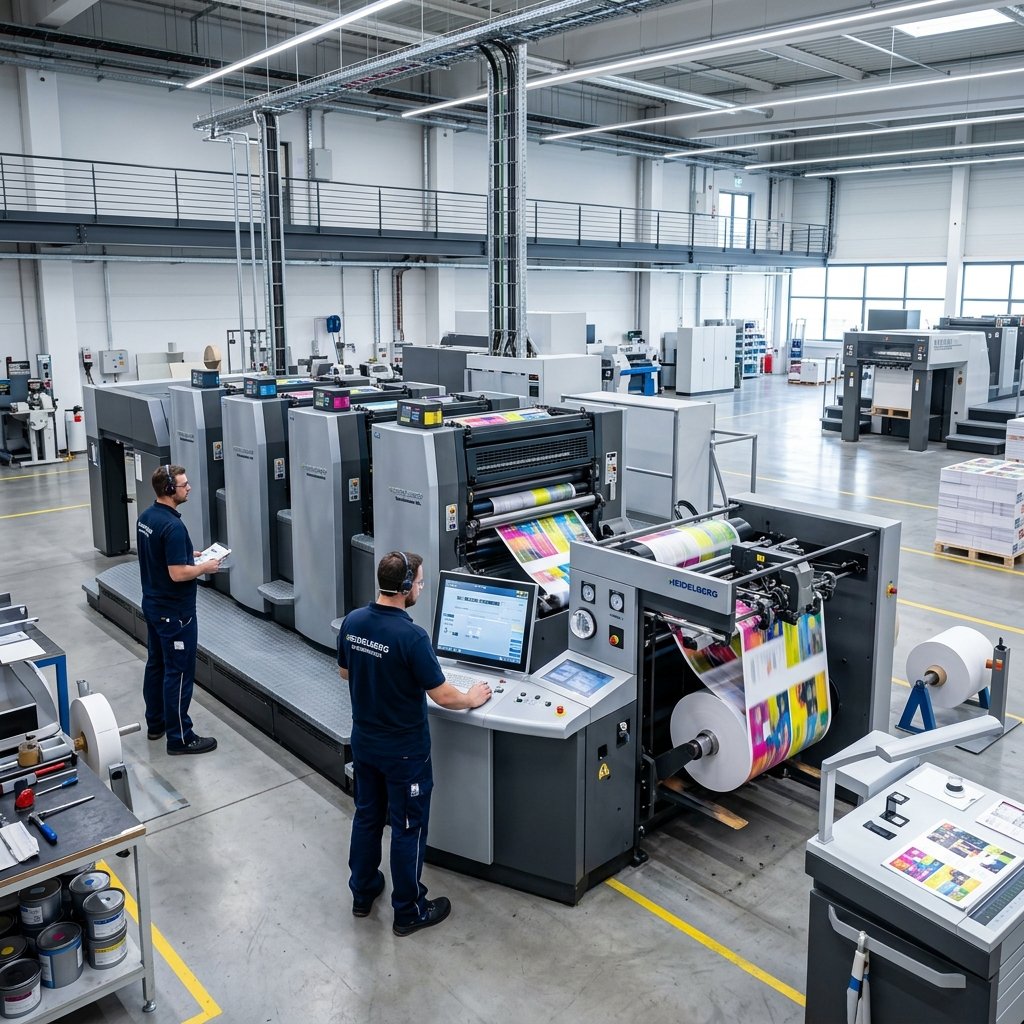

In the modern branding landscape, printed materials play an invaluable role in establishing corporate credibility and customer engagement. In this comprehensive guide, we will explore everything you need to know about How to Prepare Your Files for Professional Printing. Selecting the right setup is essential to control costs while achieving maximum aesthetic appeal. Understanding the core aspects of How to Prepare Your Files for Professional Printing enables businesses to streamline their design pipelines, optimize paper selection, and ensure color accuracy. By selecting professional partners, you ensure that high-end printing equipment translates your creative digital design files into stunning physical products. To set the context, printing has undergone rapid transformations over the past few decades. What once required tedious manually set plates can now be routed digitally in seconds, or run at thousands of sheets per hour on state-of-the-art offset lithography presses. As we delve deeper into this manual, keep in mind that the correct choice depends on your volume, your color alignment goals, your budget constraints, and your expected timeline. Quality is never an accident; it is always the result of intelligent effort and high-end engineering execution. Let us examine the technical components that drive success in this category.
Understanding the Fundamentals
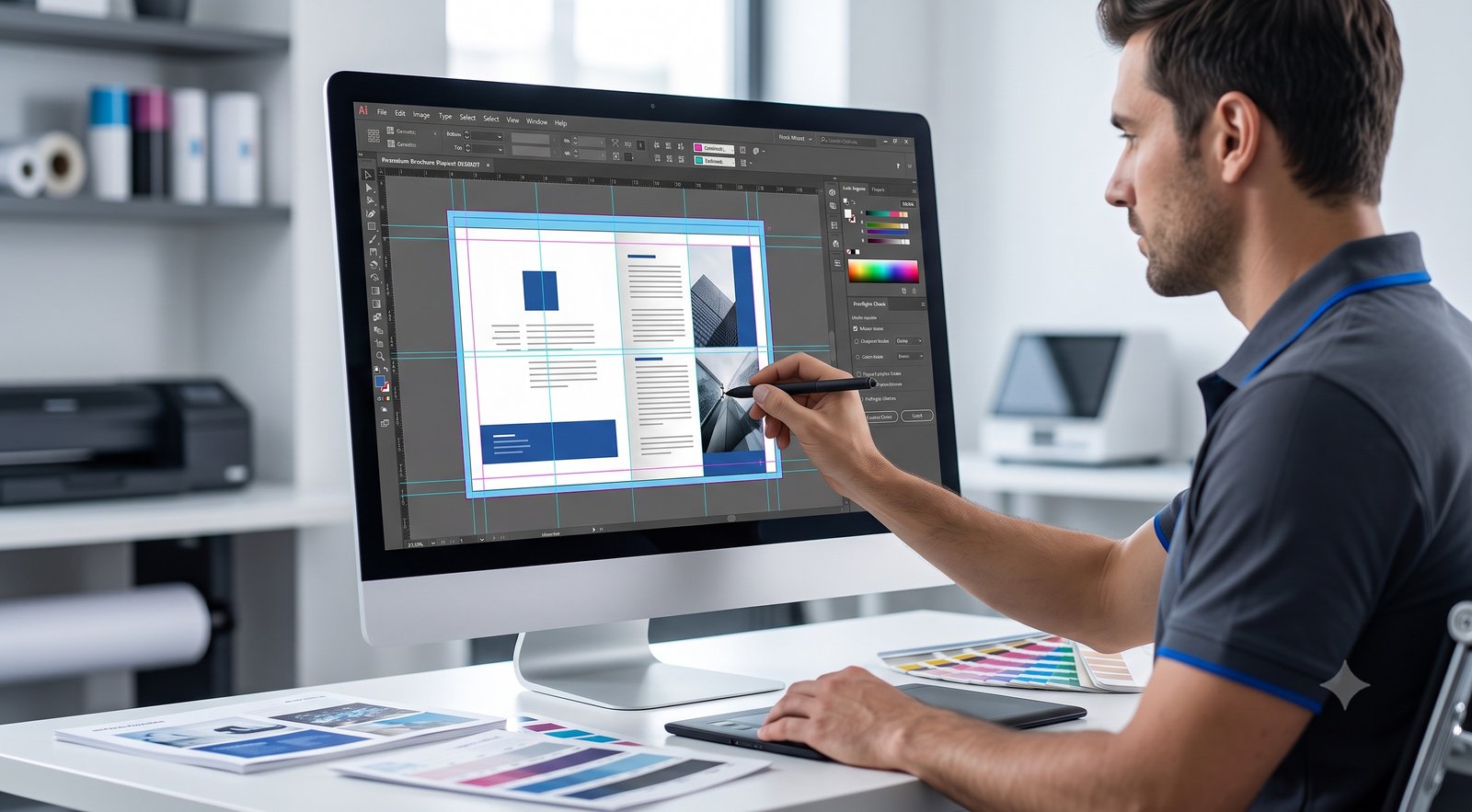
The printing process starts with careful file preparation and choosing the right materials. Understanding how different papers absorb ink, how finishes affect light reflection, and how colors translate from RGB screens to CMYK printers is essential. Working with an experienced print partner helps ensure your final product matches your creative vision. In our industry, we observe that many clients overlook the importance of pre-press diagnostics. Pre-press is the crucial stage where digital files are inspected, color-corrected, and prepared for the physical press. If image resolution is too low, text margins are tight, or bleeds are missing, the final print will look unprofessional. Professional printing companies invest heavily in automated pre-press software to detect these issues before the rollers start spinning, saving time and resources.
At NNTA Printers, located in Okhla, Delhi, we believe that premium quality starts with choosing the right configuration. If you're planning your branding materials, you can explore our professional printing services to see the options we offer. Whether you are targeting local clients or building a nationwide corporate identity, printing materials are a tangible extension of your marketing strategy.
Detailed Analysis & Key Factors
When planning your commercial print project, consider the balance between cost, quality, and turnaround time. Different materials, print techniques, and finishes have unique costs and advantages. An experienced commercial print partner can help you navigate these choices, suggesting cost-effective alternatives and ensuring your project meets your quality standards. Furthermore, color consistency is a major challenge in commercial printing. Colors can look different depending on the paper type, finish, and printing press used. Professional printers use advanced color management systems and follow strict standards to keep colors consistent. They calibrate their monitors and presses regularly and use color profiles to ensure the final printed colors match the approved digital design files.
For more custom assistance or a detailed discussion of your corporate requirements, feel free to contact our expert printing specialists. We assist organizations in building premium packaging, marketing flyers, brochures, and labels that instantly capture consumer attention.
Popular Substrate and Finish Selection
| Substrate/Finish | Description | Best Used For |
|---|---|---|
| 120 GSM Bond Paper | Uncoated, high-whiteness premium office paper | Letterheads, envelopes, manuals |
| 350 GSM Art Card | Thick, durable card stock with smooth surface | Business cards, brochure covers, postcards |
| Matte Lamination | Thin protective plastic film with soft, non-reflective finish | Premium booklets, corporate business cards |
| Gloss Lamination | Protective plastic film with high-shine, vibrant finish | Stickers, labels, product packaging boxes |
Practical Execution & Integration Guidelines
Implementing How to Prepare Your Files for Professional Printing successfully requires a systematic approach. First, ensure your design files are prepared correctly for print. Set your design software to CMYK color mode, establish a minimum resolution of 300 DPI for all images, and include bleed margins of at least 3mm on all sides to prevent white borders after cutting. Partnering with a reliable, professional commercial printer ensures that your designs are translated accurately onto paper. They can provide advice on paper selection, color matching, and finishing techniques, helping you get the best results for your budget. Additionally, remember that shipping and logistics play a key role in commercial print projects. Printed materials are heavy, and bulk orders can be expensive to ship over long distances. Working with a local print partner, such as NNTA Printers in Delhi, can help you save on shipping costs and ensure faster delivery of your finished products.
Moreover, matching your digital assets with physical output is the core of our business strategy. Read more about NNTA Printers and our 10+ years of printing excellence. We provide comprehensive offset and digital machinery capabilities right in the heart of the Okhla Industrial Area in Delhi NCR.